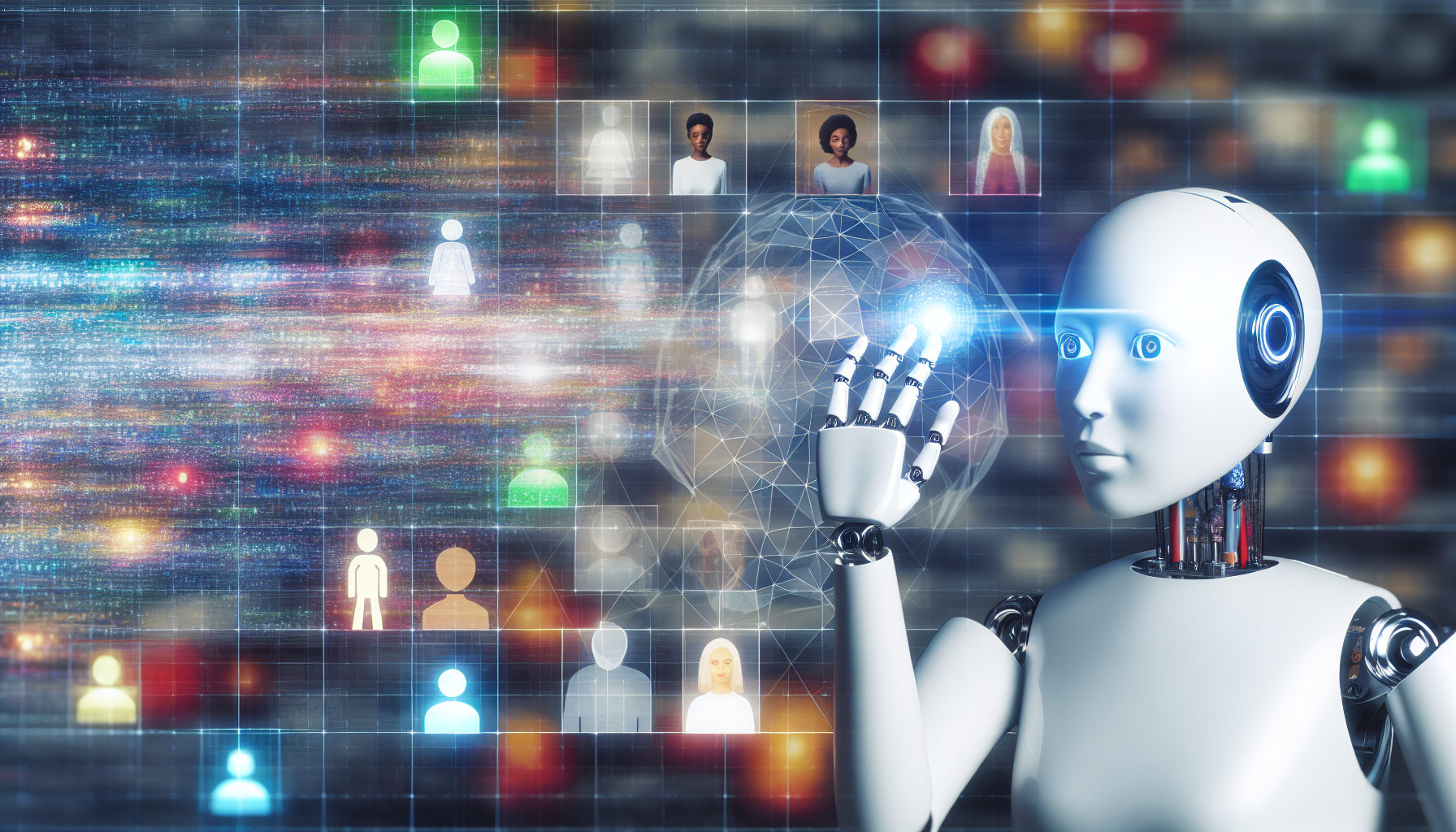
The relentless advancement of artificial intelligence (AI) is redefining the landscapes of work and innovation. In this article, we delve into the concept of ‘agentic AI’, the latest tools, and how technology is shaping automated workflows, ushering in a new era of efficiency.
The Rise of Agentic AI
The Rise of Agentic AI:
The evolution of Artificial Intelligence (AI) has been a journey of myriad advancements, leading us into an era dominated by agentic AI. Unlike its predecessors, which heavily relied on rule-based algorithms, agentic AI marks a significant leap towards autonomy, learning, adaptation, and decision-making capabilities. This transition has not only fueled a series of innovations but also revolutionized the way humans interact with machines.
In the early stages, AI was about following predefined sets of rules. However, the advent of machine learning and deep learning technologies marked the beginning of AI systems that could learn from data, recognize patterns, and make predictions without explicit programming for each task. This setup paved the way for the development of more sophisticated AI models capable of exhibiting a form of agency or “agentic AI.”
Virtual assistants, such as Siri and Alexa, are prime examples of agentic AI in everyday life. These assistants learn from interactions, adapt to user preferences, and make decisions on what information or services are most relevant to the user’s requests. Advanced recommendation systems used by companies like Netflix and Amazon are another testament to agentic AI’s power. These systems analyze vast amounts of data to understand user preferences and autonomously recommend products or content that users are likely to be interested in, enhancing customer experience and engagement.
The quest for artificial general intelligence (AGI), an AI that can understand, learn, and apply intelligence across a wide range of tasks as a human would, is the pinnacle of agentic AI development. Companies such as OpenAI, Google DeepMind, and Meta are at the forefront of this pursuit. OpenAI’s GPT (Generative Pre-trained Transformer) models and Google DeepMind’s AlphaZero are leading examples of AI systems demonstrating astonishing versatility and adaptability, solving complex problems and generating human-like text, showcasing significant strides towards achieving AGI.
The progression towards more autonomous, adaptable, and intelligent AI systems underscores a profound shift in the potential applications of AI. From enhancing virtual interactions through intelligent assistants to pushing the boundaries of what machines can learn and achieve, agentic AI presents a landscape rife with opportunities and challenges. As these technologies continue to evolve, they hint at a future where AI systems could operate alongside humans as dynamic, learning entities, paving the way for innovations that we can only begin to imagine. This evolution also sets the stage for the next chapter of AI’s impact—revolutionizing workflows across diverse sectors through enhanced efficiency and automation, leveraging these agentic qualities to redefine productivity and operational excellence.
Revolutionizing Workflows with AI
Moving from the transformative journey of agentic AI, which embodies AI systems with the capability to act autonomously, we enter the realm where these advanced AI tools are now revolutionizing workflows. The integration of AI into the very fabric of business operations is not just an upgrade—it’s a redefinition of productivity. By optimizing business processes, AI is setting a new benchmark for efficiency and enabling a leap towards unprecedented levels of automation.
One of the most impactful applications of AI in workflows is the automation of routine tasks. Through machine learning algorithms and natural language processing, AI systems can now handle day-to-day operations such as data entry, scheduling, and customer inquiries with minimal human intervention. These tasks, while essential, are time-consuming and prone to error when performed manually. AI-driven automation not only completes these tasks more efficiently but also greatly reduces the likelihood of mistakes, thereby enhancing overall quality and reliability.
Beyond routine tasks, AI is making significant strides in the realm of decision-making through predictive analytics. By analyzing vast amounts of data, AI can identify patterns and predict outcomes with a high degree of accuracy. This ability is invaluable in sectors such as finance, where AI-driven algorithms can assess credit risk or predict market trends, and in healthcare, where predictive analytics can forecast outbreaks or personalize patient treatment plans. These applications not only streamline decision-making processes but also enable a more proactive approach to management and strategy.
In complex problem-solving scenarios, AI’s role is equally transformative. The integration of AI technologies enables businesses to tackle challenges that were previously considered too complex or time-consuming. For instance, in the manufacturing sector, AI systems can optimize supply chains, predict equipment failures before they occur, and improve product design through rapid prototyping and simulation. Similarly, in the realm of software development, AI-driven tools can analyze code for vulnerabilities, automate testing, and even write code for specific tasks. This level of support not only accelerates the problem-solving process but also allows human employees to focus on higher-level strategic tasks.
The seamless integration of AI into existing systems is made possible through a variety of tools and software. Platforms such as UiPath for robotic process automation (RPA), TensorFlow for machine learning, and IBM Watson for AI-powered analytics offer comprehensive suites that businesses can adapt to their specific needs. These tools are designed to be user-friendly, allowing for easy integration without the need for extensive retraining or restructuring. This accessibility is crucial in making AI-driven efficiency a reality across diverse sectors.
The impact of AI on workflows is not just about automation; it’s about augmenting human capabilities and freeing up human resources to engage in more creative and strategic tasks. As we look ahead, the synergy between human intelligence and AI promises to bring about a new paradigm of productivity, where workflows are not just optimized but are continuously evolving and adapting. In this sense, the narrative progresses from simply understanding AI’s autonomous functionality to embracing a broader view of automation, recognizing its potential to revolutionize not only how tasks are performed but the very nature of work itself.
Automation: Embracing a New Paradigm
Automation: Embracing a New Paradigm
The evolution of automation, transcending the realms of artificial intelligence (AI), opens a comprehensive narrative that encompasses mechanical, hydraulic, and electronic systems. From the rudimentary automatic controls like those found in ancient water clocks to the sophisticated automated factory and control systems of today, the journey of automation unveils a transformative impact on the labor market, global economics, and the broader spectrum of technology-driven opportunities.
Historically, automation found its genesis in mechanical inventions designed to ease human labor. The ancient Greeks were pioneers in using water to power clocks and other devices, laying the groundwork for future automation. Fast forward to the Industrial Revolution; mechanical looms and steam engines revolutionized production processes, marking the first significant displacement of manual labor by machinery. This era underscored a critical inflection point, where the capacity for innovation in automation demonstrated both the potential to displace jobs and forge new ones, particularly in burgeoning industries.
The advent of hydraulic and electronic systems propelled automation into realms previously unimagined. Hydraulic systems facilitated the development of machinery capable of executing tasks with precision and efficiency that human labor could not match, such as in construction and manufacturing. Meanwhile, electronic automation, ushered in by the invention of the transistor and later by integrated circuits, laid the foundation for the development of computers and robots. These innovations have not only expedited manufacturing processes but have also introduced unprecedented levels of accuracy and reliability.
In the contemporary landscape, factory automation and control systems epitomize the pinnacle of automation’s evolution. Programmable Logic Controllers (PLCs) and Supervisory Control and Data Acquisition (SCADA) systems are at the heart of modern industrial automation, orchestrating complex processes with minimal human intervention. These advancements have catalyzed a significant shift in labor dynamics, where the demand for manual labor wanes in favor of skilled workers adept in managing and maintaining automated systems.
The broader implications of automation encapsulate a dual-edged sword. On one hand, technology has displaced traditional jobs, compelling industries to recalibrate their workforce strategies. On the other hand, it has unearthed a plethora of opportunities in the technology sector, fostering new careers in software development, system design, maintenance, and more. Moreover, automation has democratized the production process, allowing smaller entities to compete with industrial juggernauts by leveraging cost-efficient automated systems.
The transition towards automation and AI-driven systems heralds both challenges and opportunities. As global economics adapt to this new paradigm, the displacement of jobs underscores the urgent need for reskilling and upskilling initiatives. Concurrently, the creation of novel roles within the technology sector emphasizes the imperative for educational systems to evolve, equipping future generations with the skills necessary to thrive in an automated world.
While embracing the era of agentic AI, as delineated in the preceding chapter, it becomes imperative to contemplate the ethical considerations and potential risks associated with pervasive automation, as explored in the subsequent chapter. The balance between technological advancement and societal well-being hinges on responsible development and deployment, ensuring that automation serves as a catalyst for innovation and progress, rather than an agent of disparity.
Optimizing Technology for a Sustainable Future
In the current technological landscape, the advent of agentic AI has brought about a paradigm shift, promising to revolutionize workflows and automation. However, it ushers in a complex web of ethical considerations and potential risks that demand urgent attention. As we steer towards a future where AI’s capabilities are boundlessly expanding, a critical balance between technological progression and societal welfare becomes paramount. The ethical fabric of agentic AI deployment challenges us to contemplate the ramifications of its widespread application, particularly in automation, advocating for a course of action that prioritizes the responsible evolution of these technologies.
The ethical considerations of agentic AI extend beyond the mere functionality of these systems to encompass the broader societal impacts. One of the primary concerns revolves around the displacement of jobs. While automation can lead to the creation of new opportunities, there is an undeniable risk of exacerbating unemployment rates in sectors where human roles can be fully replaced by AI. Moreover, the potential for agentic AI to perpetuate or even exacerbate biases present in data sets raises significant ethical alarms, potentially leading to unfair decision-making processes in critical areas such as employment, lending, and legal judgments.
To mitigate these risks and ensure equitable benefits, the establishment of comprehensive regulations and policies becomes indispensable. Such frameworks should not only aim to prevent misuse and unintended consequences but also facilitate a fair distribution of the economic gains derived from improved efficiency and productivity. The development of international standards and ethical guidelines for AI use is crucial in fostering a harmonious integration of agentic AI into society, ensuring that technological advancements contribute positively to human well-being.
Moreover, considering the profound impact of agentic AI on societal structures, the role of human collaboration with AI in enhancing creative problem-solving and innovation cannot be overstated. Human oversight ensures that ethical considerations are woven into the decision-making processes of AI systems, highlighting the importance of maintaining a symbiotic relationship between humans and machines. This collaborative approach not only enriches the capacity for innovation but also secures a safeguard against the depersonalization of critical decision-making processes.
In advocating for the responsible development and deployment of agentic AI, it is also imperative to foster an inclusive dialogue among stakeholders, including technologists, policymakers, and the general public. This inclusive approach ensures that diverse perspectives are considered in shaping the trajectory of AI development, aligning technological advancements with societal needs and ethical standards.
As we navigate the complexities of integrating agentic AI into our workflows and automation processes, the pursuit of a sustainable future lies in our collective ability to harness these technologies responsibly. By implementing robust ethical frameworks and fostering human-AI collaboration, we can unlock the full potential of agentic AI, ensuring that technological progress goes hand in hand with the betterment of society. Moving forward, it is through deliberate and thoughtful engagement with these ethical dimensions that we can ensure the evolution of AI serves as a cornerstone for a prosperous and equitable future.
Conclusions
We have journeyed through the transformative power of agentic AI and its impact on workflows and automation. From autonomous decision-making to sophisticated process optimization, the promise of AI-driven technology is undeniable. However, with great power comes great responsibility, and it is imperative to navigate this journey with ethical foresight and human-centric approaches.