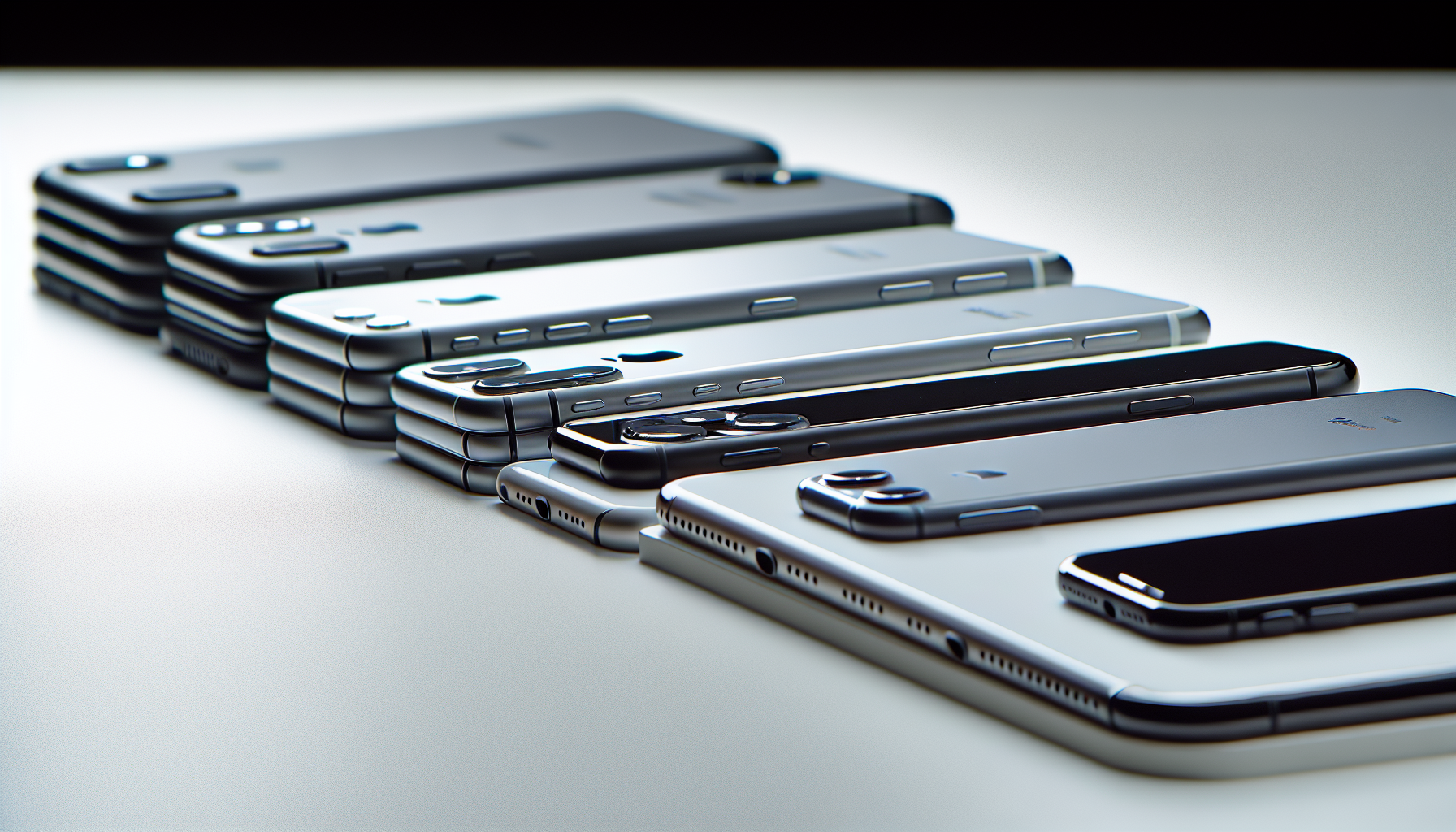
The iPhone has stood at the forefront of the smartphone revolution, pairing cutting-edge technology with sleek and slim design. In this article, we explore the intricacies of the iPhone’s journey, debate its merits, and delve into the allure of slender phones, deciphering whether they truly represent the pinnacle of innovation and user experience.
The Evolution of the iPhone
The iPhone’s journey from its original form to the sleek, sophisticated devices we know today is a testament to technological advancement and design innovation. This evolution reflects not just changes in aesthetics but also Apple’s commitment to enhancing user experience through hardware and software integration. The first iPhone, with its 3.5-inch display and relatively thick body, revolutionized the mobile phone industry by introducing multi-touch technology. This innovation allowed users to interact with their devices in ways that were previously unimaginable, setting a new standard for what smartphones should be capable of.
As the iPhone evolved, each new model brought with it significant improvements. The transition from the iPhone 3GS to the iPhone 4, for example, was marked by a complete redesign. The introduction of the retina display, along with a glass and stainless steel enclosure, made the iPhone 4 not just a powerful tool, but a piece of luxury technology. The transition from Touch ID, introduced with the iPhone 5S, to Face ID with the iPhone X, marked another leap in technology, offering users a more secure and convenient way to unlock their devices, make payments, and authenticate purchases.
With each iteration, the screen resolutions and camera capabilities have seen substantial enhancements, pushing the boundaries of what mobile photography and video can achieve. The iPhone 11 Pro introduced the first triple-camera system in an iPhone, offering unprecedented flexibility in shooting high-quality images and videos.
The culmination of these advancements is seen in the aesthetics of the latest models, the iPhone 17 and iPhone Air, which sport slim, bezel-less designs. These models embody the ultimate blend of form and function, with their large, immersive displays and robust performance packed into slim, elegantly designed bodies. The focus on slimming down the device profile without compromising on performance has not only influenced user expectations but also pushed competitors to rethink their design strategies.
This ongoing enhancement of the iPhone’s design and capabilities illustrates a relentless pursuit of excellence. Apple’s success with the iPhone lies not just in groundbreaking technology but also in its ability to marry that technology with sleek, user-friendly design, thereby setting the benchmark for what smartphones can be.
Slim Phones and User Experience
This chapter explores the appeal and practicality of slim smartphones, delving into the concept of the smartphone form factor, its evolution, and the rationale behind the increasing preference for slender devices. As the iPhone has progressed through its iterations, the emphasis on sleek, almost ephemeral designs has become a significant selling point. This shift towards slimness is not merely a testament to technological advancement but also a reflection of changing consumer expectations and lifestyle needs.
The influence of design on user experience is paramount. When considering ergonomics, the slim form factor of newer iPhones offers a more comfortable grip and easier navigation with one hand, a far cry from the bulkier models of the past. This evolution towards slenderness has made smartphones not only more aesthetically pleasing but also more portable, fitting seamlessly into the smallest of pockets or purses. However, this shift has not come without its compromises.
A critical trade-off in the pursuit of slimness is battery life. As smartphones become thinner, the space available for batteries is reduced, often resulting in shorter battery life. This has led to a constant balancing act between aesthetics and functionality, prompting manufacturers to seek innovative solutions such as more efficient processors and software optimizations to mitigate these limitations.
Furthermore, the quest for slimness has impacted other functional aspects of smartphones, such as durability and repairability. With components more tightly packed and the exteriors streamlined, the structural integrity of slim smartphones can be compromised, making them more susceptible to damage from drops and impacts. Additionally, the complexity of disassembly can hinder repair efforts, often making simple repairs more costly and time-consuming.
Despite these challenges, the allure of slim smartphones persists. Their sleek design, combined with advancements in technology, continues to push the boundaries of what is possible, shaping user expectations and experiences. As we navigate through the era of sleek design, it becomes essential to weigh the benefits of slim smartphones against the compromises they entail, questioning how these choices impact the overall user experience.
Innovation or Gimmickry
In the realm of technology, innovation is a word often thrown about with prodigious liberality. Yet, when scrutinizing the ethos surrounding the iPhone and the trend towards slimmer models, we confront the pivotal question: does the race for slimmer smartphones signify true innovation, or does it veer towards gimmickry? This critical examination not only pertains to the physical attributes of the iPhone but also delves into the broader implications on consumer choices, ecological sustainability, and the prospective direction of smartphone design.
The allure of a slim smartphone, as previously discussed, undoubtedly enhances the aesthetic appeal and portability, suggesting a superficial layer of innovation. However, real innovation extends beyond mere form factor to encompass advancements in functionality, user experience, and sustainability. It prompts us to ask if the compromised battery life and durability, inevitable consequences of slimmer designs, are a worthy trade-off for aesthetics.
Consumer choices are increasingly influenced by marketing narratives that tout slenderness as an emblem of cutting-edge technology. The critical issue here is the potential overshadowing of essential features such as battery longevity, ease of repair, and robustness—elements that significantly contribute to the device’s lifespan and by extension its ecological footprint. The reduction of a smartphone’s physical dimensions can thus be seen both as an advancement in material science and engineering precision, and as a move that could potentially lead consumers to prioritize form over function.
The ecological impact of slimmer smartphones cannot be underestimated. The push for thinner models often entails the use of more fragile materials, necessitating more frequent replacements and repairs, which in turn exacerbates environmental pollution and resource depletion. Moreover, the miniaturization of components can complicate recycling processes, posing additional challenges to sustainable disposal.
Looking to the future, the trajectory of smartphone design ought to reconcile the dichotomy between innovation and gimmickry. This entails a holistic approach to innovation—one that not only satisfies the aesthetic and ergonomic desires but also addresses the pressing needs for environmental stewardship and technological inclusivity. The ultimate measure of innovation should thus pivot from mere physical slenderness to the integration of sustainable, user-centric features that enhance the overall quality of life.
Reflecting on the iPhone’s evolution and its role in popularizing the slim smartphone trend, it’s crucial to discern between cosmetic enhancements and substantial, meaningful technological progress. Navigating this fine line will be instrumental in shaping a future where technology genuinely benefits the end-user, balancing form with function, and aesthetics with ecological responsibility.
Conclusions
Throughout this exploration of the iPhone and the sleek smartphone paradigm, we’ve seen how Apple’s flagship device has significantly molded the industry. Slim phones may captivate with their elegance, but it’s the blend of form, function, and innovation that ultimately dictates their success. As for the iPhone, it persists as a symbol of both progress and luxury, navigating the fine line between innovation and sophisticated design.